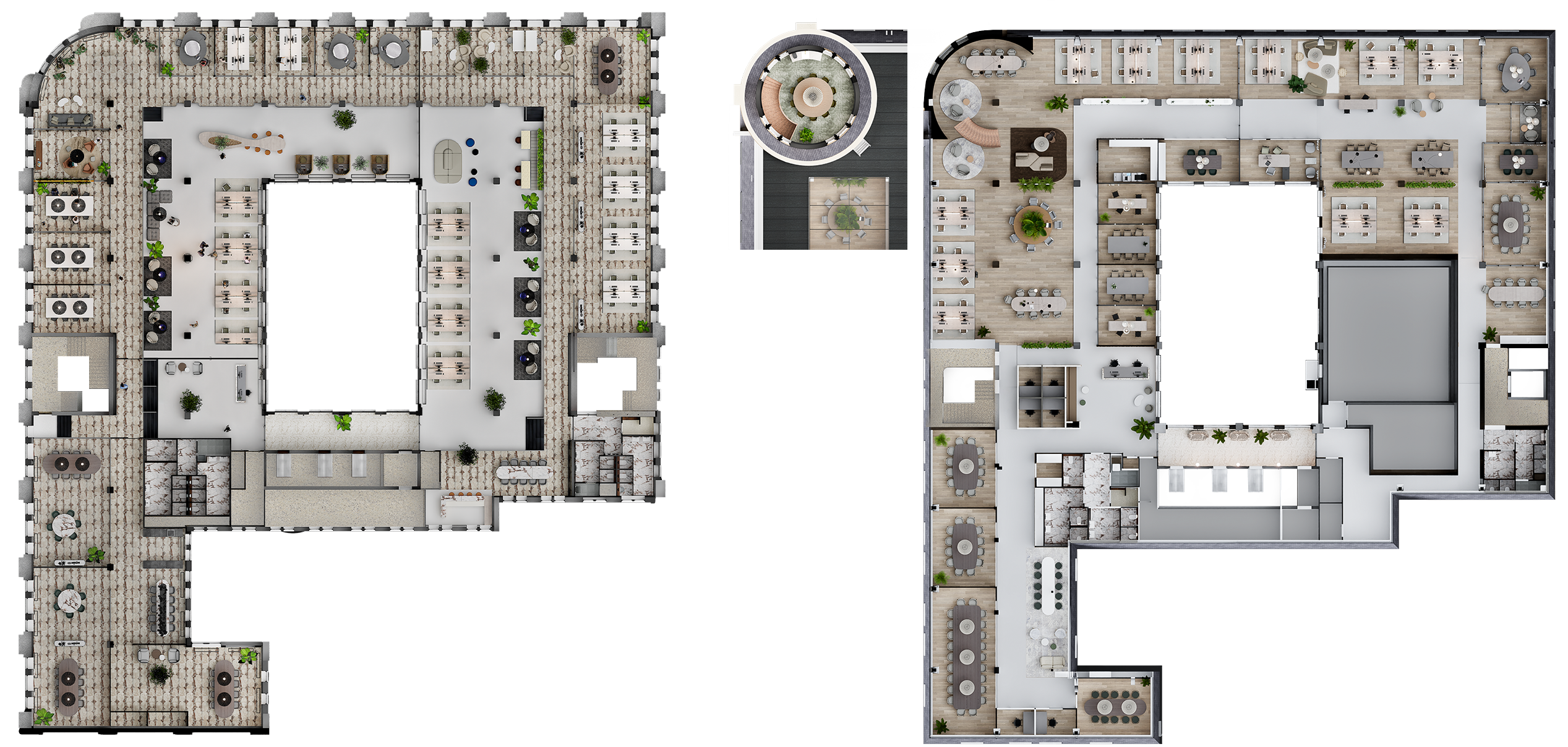
At the heart of Amsterdam’s Leidseplein stands the Hirsch & Cie building. A national monument with over a century of grandeur. Once the Netherlands’ most exclusive fashion house, today it offers inspiring office spaces that blend historic elegance with modern comfort. A prestigious address where history, prestige, and future ambition come together.
An icon
of grandeur
Where
Herritage
meets ambition
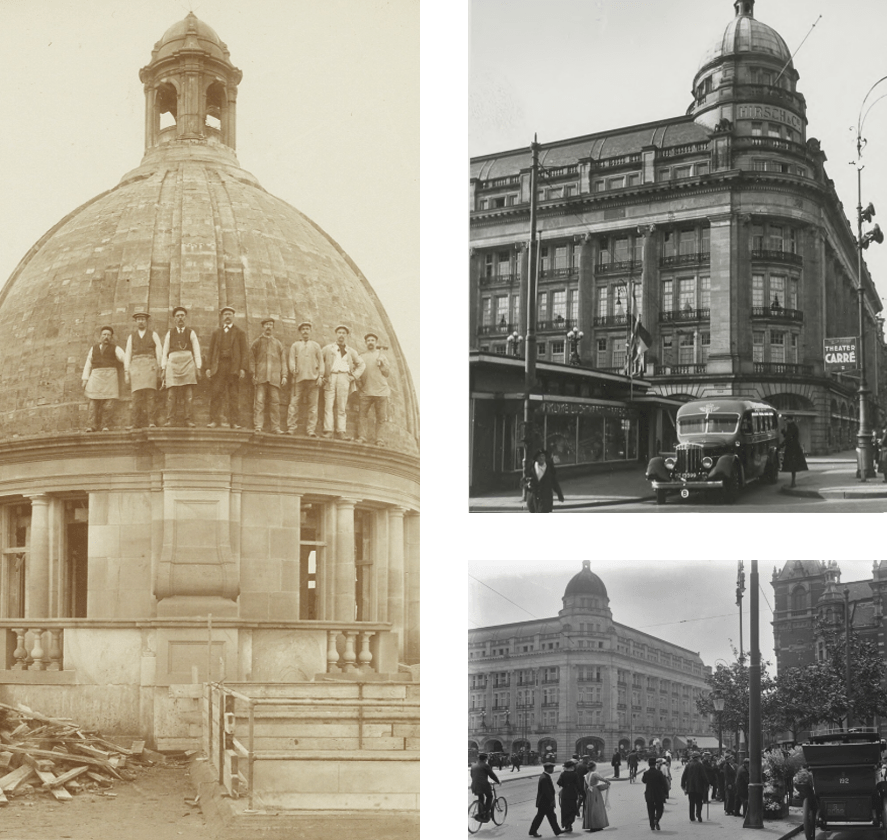
1912: Opening of Hirsch & Cie | 1976: The fashion house ceased operations | 2012: Opening Apple Store
1912: Opening of Hirsch & Cie | 1976: The fashion house ceased operations | 2012: Opening Apple Store
1912: Opening of Hirsch & Cie | 1976: The fashion house ceased operations | 2012: Opening Apple Store
1912: Opening of Hirsch & Cie | 1976: The fashion house ceased operations | 2012: Opening Apple Store
1912: Opening of Hirsch & Cie | 1976: The fashion house ceased operations | 2012: Opening Apple Store
1912: Opening of Hirsch & Cie | 1976: The fashion house ceased operations | 2012: Opening Apple Store
Designed to impress,
built to last
In 1912, the Hirsch & Cie building opened its doors as the most prestigious fashion house in the Netherlands. Designed by architect A. Jacot, it was created not only to impress but also to bring international allure to Amsterdam’s Leidseplein.
With its stately façades, monumental columns, and distinctive copper-domed tower, the building became a landmark that positioned Amsterdam alongside the great capitals of Europe.
Fashioned
by History

Legacy
of luxury
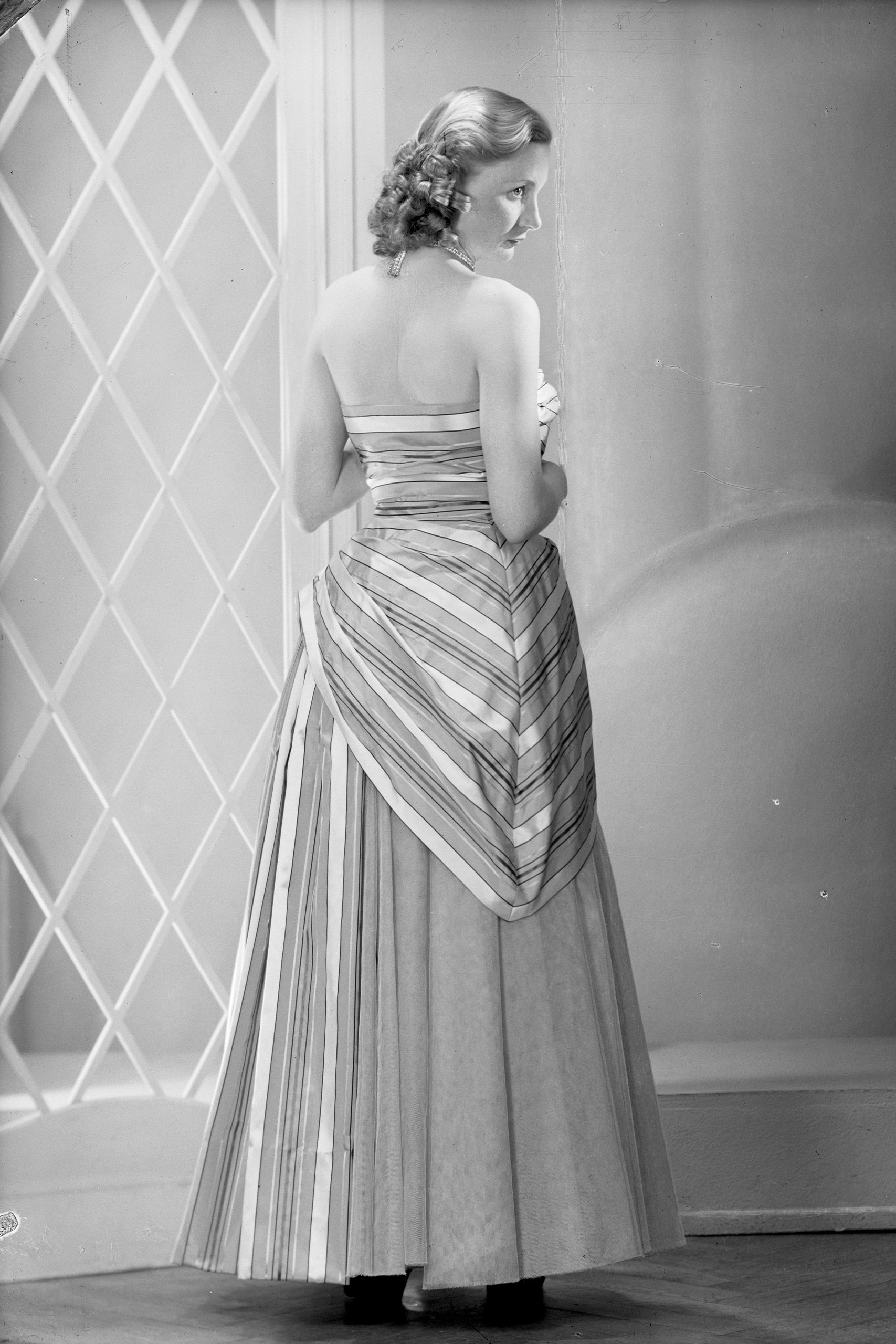
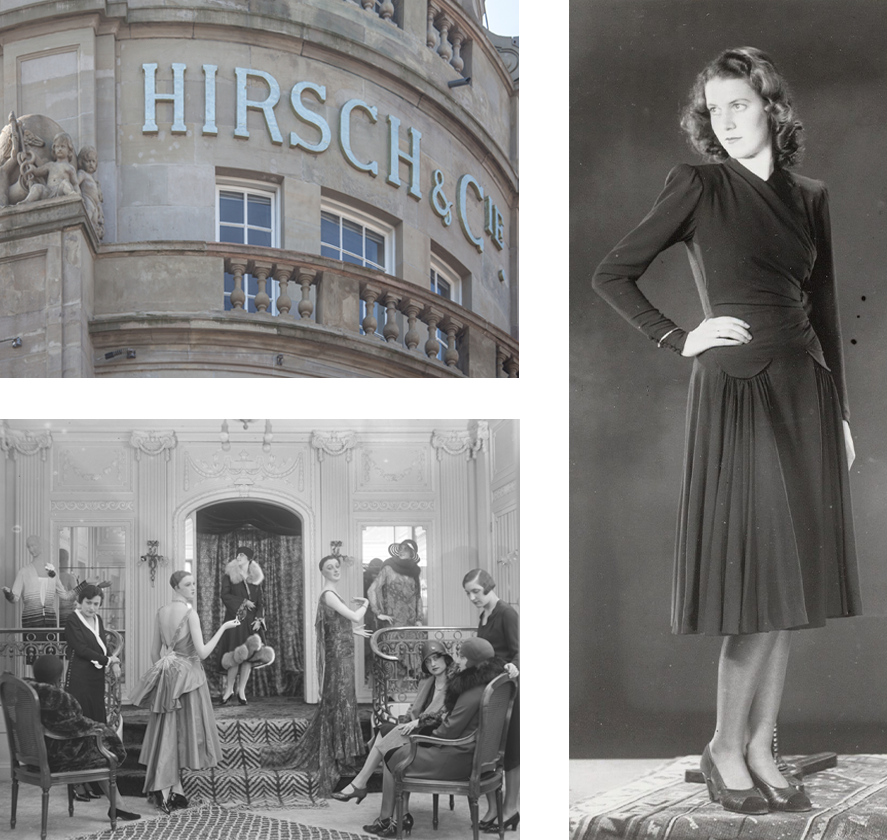
For decades, Maison Hirsch & Cie was synonymous with exclusivity and Parisian elegance. The latest collections were presented in luxurious salons, illuminated by the natural light of the grand atrium. The building quickly became a meeting place for Amsterdam’s elite and a symbol of style, refinement, and cultural prestige.
Century
of Change
The twentieth century brought both triumph and hardship. During the Second World War, Hirsch & Cie was forced to close, reopening only in 1948. By 1976, the fashion house ceased operations entirely, and the building embraced new functions as office and retail space. Yet throughout these transitions, the Hirsch building remained a defining presence on the Leidseplein, radiating heritage and distinction.